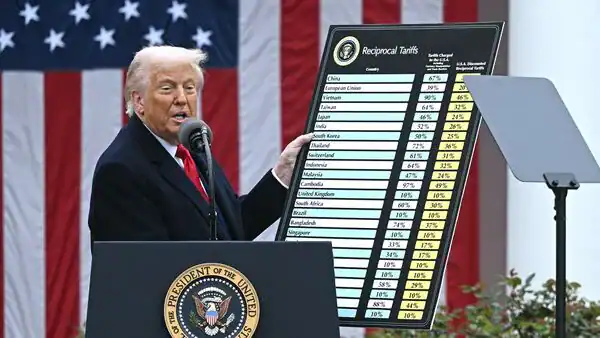
Beginning Aug. 27, Indian exports to the U.S. will face tariffs as high as 50% following President Donald Trump’s relentless criticism of the Indian government for allegedly supporting Russia by purchasing oil as the war in Ukraine goes on.
The U.S. is India’s largest export market, and the industry is bracing for the impact of high tariffs. For India to skirt around these tariffs, a popular crypto analyst, Kashif Raza, suggested embracing Bitcoin.
Amid the tariff tensions, Raza posted a long thread on X and recommended a number of ways India could beat the U.S. tariffs. He said,
“India can earn $317 billion by simply participating in the growth of the Bitcoin network.”
India can annually earn $10 billion by utilizing the waste energy, particularly from renewable energy and grid congestion, for Bitcoin mining, Raza argued. It could “theoretically” produce 64,947-115,461 BTC worth $7.38 billion-$13.12 billion annually, as per a Grok calculation shared by him.
Bitcoin treasury operation
India can even earn $300 billion in profit by 2050 if the central bank buys 50,000 Bitcoin by 2030 — even converting some gold into Bitcoin for purchases — and doesn’t sell it until 2050, Raza added.
If Indian fund managers attract $5 billion into Bitcoin exchange-traded funds (ETFs), they can gain an annual fee worth $20 million if the assets under management (AUM) hit $10 billion, he recommended another way.
Earlier, Raza also recommended India embrace Ethereum staking to beat Trump’s tariffs.
Lack of regulation but high taxes on crypto in India
However, it must be noted that India has a complex approach toward crypto.
While the crypto assets are categorized as neither securities nor currencies, crypto trading invites a tax deducted at source (TDS) of 1% on each transaction and a 30% tax on profits. The lack of regulatory clarity often leaves Indian crypto users in a lurch, as it happened to the WazirX hack victimes.