The market is bullish again, but it's 'not a close-eyes-and-buy' market
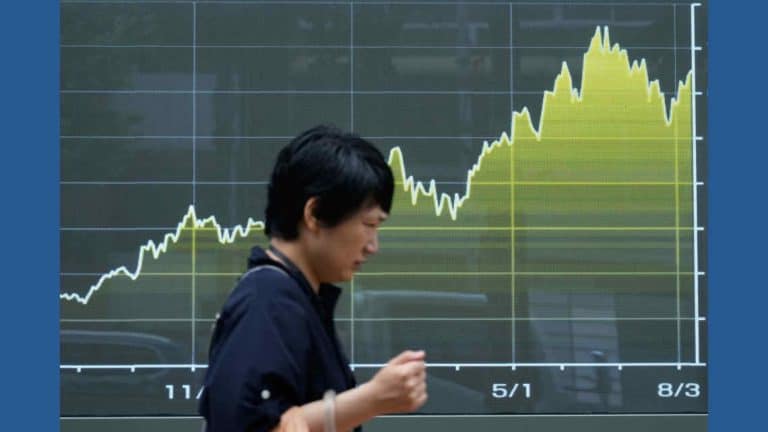
Just like that, stocks have reclaimed lost territory and essentially wiped all of the losses from the Iran war. The S&P is knocking on the door of the 7,000 mark. Banks, the vanguard of corporate earnings, are…
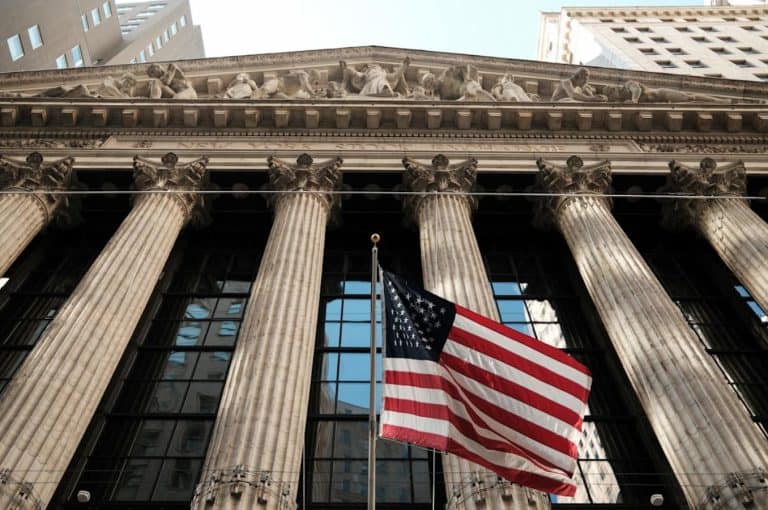
Just like that, stocks have reclaimed lost territory and essentially wiped all of the losses from the Iran war.
The S&P is knocking on the door of the 7,000 mark. Banks, the vanguard of corporate earnings, are posting profit beats, and the latest inflation reading from producers came in better than expected. What’s not to like?
Last week, there was plenty, apparently.
The war might be on the verge of another diplomatic breakthrough, with chatter of another round of talks in Islamabad, and investors are grappling with the fallout.
The war might be on the verge of another diplomatic breakthrough, with chatter of another round of talks in Islamabad, and investors are grappling with the fallout.
Today, they bought through it. But according to the latest Bank of America survey of fund managers, growth expectations are slumping while inflation pessimism is setting in. And overall sentiment is the worst it’s been since last summer, when tariffs and the trade war ruled the news day.
The stock market might feel bullish again, but as Bank of America strategists led by Michael Hartnett wrote in a note Tuesday, this is not a “close-eyes-and-buy” market.
Fund managers, the survey found, have cut their expectations for growth down to levels not seen since early 2022, and inflation expectations are the highest they’ve been since 2021. To be clear, this survey round was conducted from April 2 to 9, with the ceasefire coming on April 8. But with a rapidly shifting and uncertain landscape, this may be the gravitational force under which the current (and very forgiving, as a default) bull market is operating.
That said, investors and analysts who have bet against the strength of the American consumer have been proven wrong through multiple shocks. Recent memory tells us that the economy is almost always more resilient than people (and economists) give it credit for, which is another way of saying: Don’t underestimate people’s spending ability even when things are looking dicey.
We’re like the postal service: Neither pandemic nor trade war nor frozen hiring market stays these consumers from the swift swiping of their credit cards.
AI is back too. That’s true for the chipmakers and tech stocks. A ceasefire is all it took to bring that trade back to life. The Nasdaq Composite notched its tenth straight win Tuesday. And bullish analysts contend that the sell-off was overblown. As Wedbush analyst Dan Ives wrote in a recent note, several names swept up in the pullback, including Microsoft and Salesforce, “stand out as very disconnected sell-offs relative to the AI monetization opportunities over the coming years.”
Where bears have argued that tech valuations are out of sync, justifying the downtrend, bulls like Ives say critics are missing just how much businesses have been integrating AI across their operations, which isn’t being factored into current valuations.
But even market optimism has its limits.
After all, the return to record equity levels is predicated on the US and Iran coming to a peaceful resolution. And while the alternative of an extended war, and the economic consequences of a jammed-up oil market are hard to fathom, global stability shouldn’t be taken for granted. Neither should the US exceptionalism trade.