Oman, the longtime US ally on the other side of the Strait of Hormuz, is talking with Iran about imposing tolls
Iran is, bit by bit, moving toward eventually charging tolls in the Strait of Hormuz, with a notable step forward this week. In an unusual joint statement from Iran and Oman, the two nations said they met to…
Iran is, bit by bit, moving toward eventually charging tolls in the Strait of Hormuz, with a notable step forward this week.
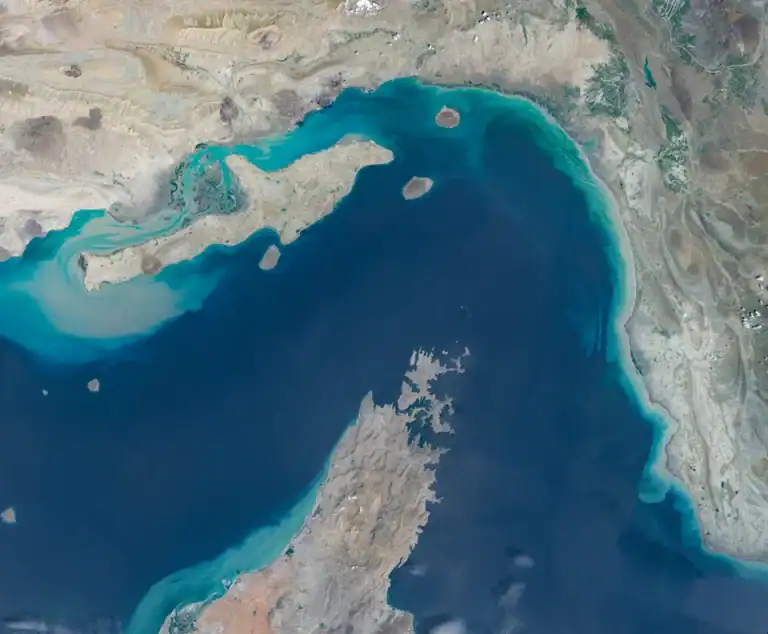
In an unusual joint statement from Iran and Oman, the two nations said they met to emphasize “their sovereignty and sovereign rights over their territorial waters in the Strait of Hormuz,” and that the conversation also touched on “services that will be provided in this regard and the costs associated with them in accordance with international standards.”
It was an unmistakable reference to tolls or fees, flying in the face of promises from President Trump, who has said multiple times in recent days that there would be no tolls either now or after the 60-day ceasefire ends.
“I have agreed to allow the Hormuz Strait to remain OPEN,” Trump posted on Tuesday morning. Meanwhile, the Iran-Oman talks, held in Muscat, Oman, concluded with plans for the two nations to set up a joint working group “to reach agreement on the future administration of navigation,” according to the statement.
Oman, which controls the other side of the crucial waterway, through which one-fifth of the world’s oil passed before the war, has long been seen as an important mediator between the US and other nations in the region. But that relationship has been under strain since May, when the possibility of Oman first joining with Iran to control the waterway led Trump to respond that “Oman will behave just like everyone else, or we’ll have to blow them up.”
Oman’s increasing willingness to discuss tolls — and disclose it publicly — was on full display this week as the foreign minister highlighted the meeting with Iran as an example of “good neighborliness.”
‘Fees likely’
The likelihood of future tolls is getting increased international recognition despite the Trump administration’s promises.
The likelihood of future tolls is getting increased international recognition despite the Trump administration’s promises.
Lloyd’s List, a leading Gulf analyst based in London, described recent moves by Iran to force new transit conditions, such as mandatory Iranian insurance, as a first step that may allow free travel for 60 days, “but with fees likely afterward.”
Traffic in the strait has picked up in recent days, but the future administration of the waterways is just one of a variety of issues on which the White House and Iran are giving fully contradictory information. The two sides are also at odds over whether Iran will let UN inspectors into its nuclear sites and whether Iranian assets will be immediately unfrozen and accessible.
But the irreconcilable statements around the Strait of Hormuz and tolling could be a longer-term worry for markets, even as ships laden with oil and natural gas have exited into the Arabian Sea in recent days, driving down energy prices.
Trump and his team have been touting this “oil gusher,” though energy experts are uncertain whether the pace will be sustainable and whether shippers will send significant assets into the Persian Gulf, as an Aug. 21 deadline looms for extending peace talks.
New tensions between Trump and Oman
This week’s meeting between Iran and Oman is a follow-up to another in May between the two nations, during which the Iranian side touted that the talks touched on “Hormuz and its future administration in line with our sovereign responsibilities and international law.”
There was notably no joint statement back then, but reports had dribbled out that Iran and Oman had discussed setting up a long-term tolling system, but without public confirmation.
The increased apparent buy-in from Oman could also give teeth to Iran’s fledgling Persian Gulf Strait Authority, which was set up to eventually collect fees, asserting on Friday that ships must “submit compliant transit requests” to pass through the waterway even during the ceasefire.